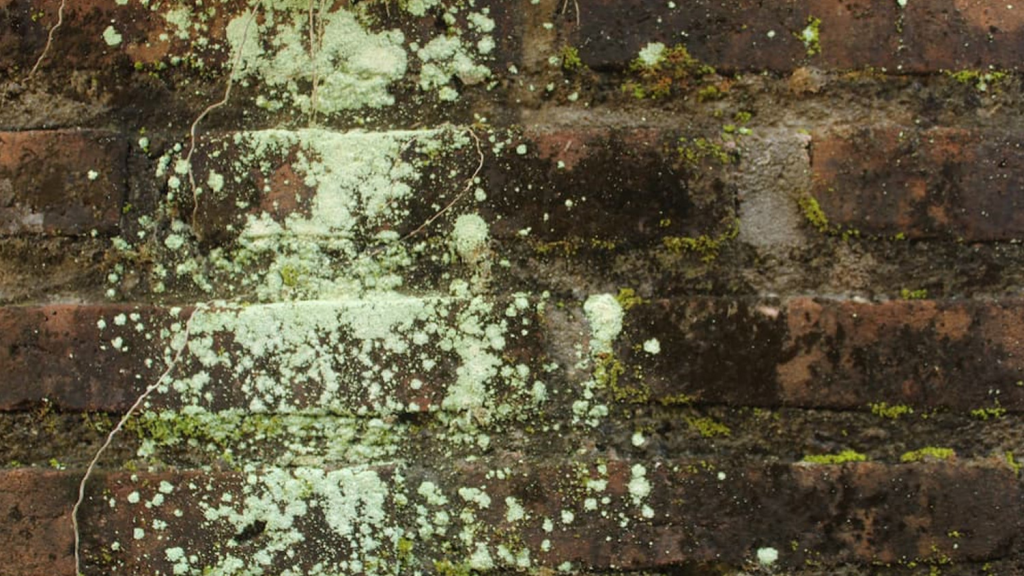
That white, chalky powder on your brick wall? It’s called efflorescence, and while it might look like just a surface issue, it often signals deeper moisture problems lurking behind your walls.
Let’s dive into what causes this chalky residue on brick and other masonry materials; and, more importantly, how to tackle it before it impacts your home’s value or leads to structural damage.
What Causes Efflorescence?
Efflorescence occurs naturally when water-soluble salts interact with moisture in porous surfaces. As water moves through brick, concrete, or stone, it dissolves internal salts. When the water evaporates at the surface, these salts leave behind a white, powdery residue.
For this process to happen, three things are needed: water-soluble salts in the masonry, moisture (from rain, humidity, or leaks), and porous material that allows the dissolved salts to move outward. Together, these create that familiar chalky coating on brick or stone surfaces.
Types of Efflorescence
Efflorescence refers to two different kinds of mineralization: primary and secondary efflorescence. Let’s review the differences between them, for clarity.
Primary Efflorescence
This type usually appears within the first 72 hours after construction, especially in cement-based masonry. Think of it as a “new building bloom” that often fades once excess moisture in the materials evaporates. While it doesn’t look great, it rarely causes structural problems.
Secondary Efflorescence
This type is more concerning because it develops later in a structure’s life. External factors like rainwater infiltration, environmental chlorides, or persistent moisture within walls can trigger it. If you notice ongoing or worsening efflorescence, it’s often a sign of underlying water or drainage issues that could threaten your foundation or interior finishes.
Impact on Materials
While minor efflorescence isn’t immediately dangerous, it can signal serious issues within your masonry. Continuous moisture exposure can lead to structural damage, clog material pores (trapping even more water), cause spalling (where materials chip away in layers), and weaken the overall integrity of brick and mortar.
Over time, the constant presence of water-salt solutions can break down masonry structures, potentially weakening walls or foundations beyond just their surface appearance.

Common Locations
Efflorescence tends to show up where masonry encounters frequent moisture. Keep an eye out for it on:
- Exterior and basement walls
- Concrete surfaces
- Paving stones and patios
- Stucco finishes
- Mortar joints
Areas with rainy winters, high humidity, or poor drainage are especially prone to efflorescence.
Immediate Effects
At first, efflorescence appears as fuzzy white crystals on masonry surfaces. This coating indicates active water-soluble salts within the material, confirmed moisture penetration, and enough porosity for salt migration. While the deposits themselves aren’t toxic, they’re an early warning sign of moisture issues.
Long-Term Structural Impacts
When efflorescence collects on your brick, it’s not just an aesthetic concern. The white powder itself isn’t a danger to your masonry, but it may be alerting you to more serious issues under the surface. If your efflorescence problem isn’t being caused by humidity alone, then it’s a sure sign that there’s moisture in your walls where there shouldn’t be.
Moisture-Related Deterioration
Sustained water infiltration can undermine foundations, create wall cracks, and destabilize masonry sections over time.
Freeze-Thaw Damage
Freezing weather can be very damaging to bricks. Trapped water expands when frozen, creating internal pressure that leads to microfissures. Then these small cracks allow more water to enter, starting a destructive cycle that speeds up masonry damage.
Secondary Problems
Persistent moisture infiltration doesn’t just cause surface salt deposits. Adjacent wooden structures can rot, insulation effectiveness can drop in consistently wet walls, and damp conditions often lead to mold growth and surface flaking. What starts as a cosmetic issue can turn into costly repairs and potential health concerns.
Structural Pressure
Salt crystallization creates its own set of problems through osmotic pressure, drawing more water to deposits and compounding moisture issues. These forces can exceed masonry’s tensile strength, leading to expanding cracks. Continuous crystallization creates microscopic fissures that gradually weaken the structure.
Signs To Watch For
White deposits along foundation walls often point to groundwater seepage, while traces along mortar joints suggest direct water infiltration.
Look for streaks below overflow pipes or drainage points; these usually reveal plumbing or drainage issues.
Persistent dampness, water stains, and white powder deposits that are easy to remove are clear signs of active efflorescence.
These indicators help you tell the difference between surface-level issues and deeper structural concerns.
Environmental Factors
Building Age
In new construction, efflorescence during the first year typically comes from the initial curing process. In older homes, fresh deposits often signal leaks or drainage problems that need attention.
Seasonal Fluctuations
Pay attention to patterns since deposits that show up after rain or during wet seasons often point to specific infiltration paths. If you notice recurring spots year after year, it’s a sign of consistent water penetration issues.
Safe Removal Methods
Dry Brushing: Start with a stiff-bristled brush to remove loose deposits. This method avoids adding more moisture to the affected area.
Vinegar Solution: For stubborn deposits, try a 1:3 vinegar-water solution. Let it sit briefly, scrub gently, and wipe with minimal moisture.
Key Precautions: Always choose dry weather for cleaning, use as little water as possible, and make sure the area dries thoroughly to prevent efflorescence from coming back.
Prevention
To stop efflorescence from returning, install breathable sealers, improve drainage systems, and address underlying moisture sources.
But it’s not enough just to clean the powder away and then go back to ignoring the problem. Fresh efflorescence can reappear within weeks of cleaning if moisture issues aren’t resolved.
Deposits from brand new masonry construction may go away on their own, but recurring problems in older structures indicate an active water infiltration issue that needs fixing.
Dallas-Specific Considerations
Dallas’s unique combination of clay soils, temperature swings, and heavy rainfall creates ideal conditions for efflorescence. Local construction methods, like brick veneer applications and drainage practices, can also play a role in its development.
To combat Dallas’s specific moisture challenges, focus on proper landscaping grades, regular inspections, and adequate ventilation in crawl spaces. These steps can help keep moisture issues at bay.
Brick Repair by the Brick Experts
Our experienced team specializes in identifying the root causes of efflorescence and providing lasting solutions. From brick walls to foundations to chimneys, we offer thorough inspections, detailed repair plans, and skilled masonry work to restore your home to its original condition.
If you’ve noticed persistent dampness, structural concerns, or recurring efflorescence, don’t wait for the problem to get worse.
Contact us right away to schedule an appointment. Our experts will assess the situation and provide targeted solutions tailored to your specific needs.