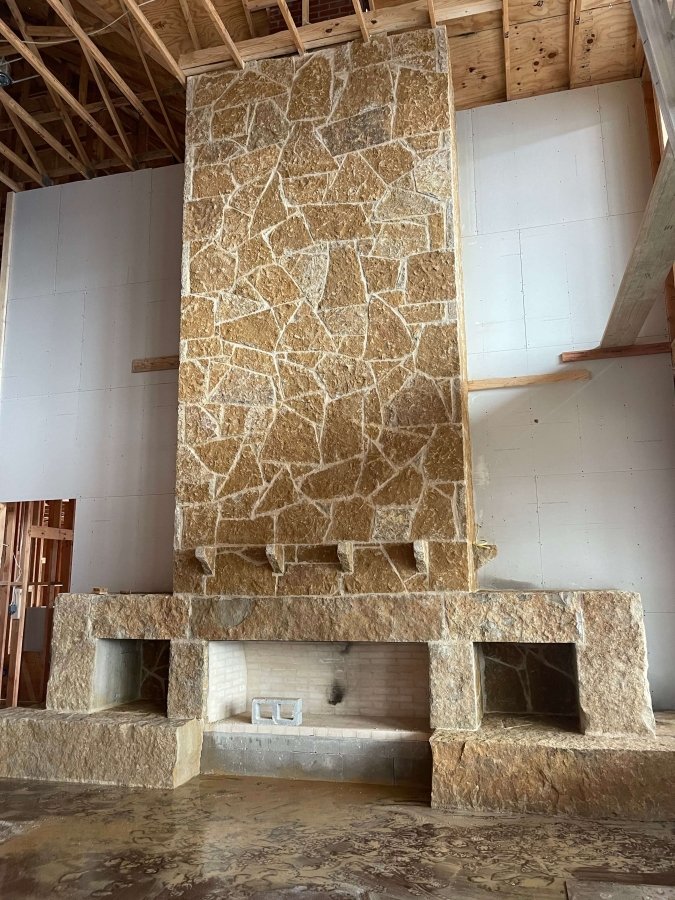
That cozy fireplace in your older home might be calling your name, but before you light that first fire, you need to know if your chimney’s actually safe. We’ve seen too many homeowners in the DFW area discover serious problems after they’ve already been using their fireplace for months.
Maybe you just bought a 1970s ranch and the previous owners swore the chimney was “fine”. Or perhaps you’ve lived in your home for years but never really looked closely at that brick structure on your roof. Either way, older chimneys can hide dangerous issues that aren’t obvious from a quick glance.
What Should You Know About Your Chimney’s History?
Understanding your chimney’s background gives you crucial insight into potential problems. Most DFW homes built before 1980 have clay tile liners that can crack over time, while even newer chimneys might have installation issues you can’t see.
Start by finding out when your home was built and if any major renovations included chimney work. County records often show permit history, which tells you if previous owners did any repairs or modifications. If your chimney was built before modern building codes, it might not meet today’s safety standards.
Contact previous owners if possible to learn about past inspections, cleanings, or repairs. Any service records or warranties can reveal recurring problems or recent work that might affect safety. If there’s no maintenance history, assume the chimney needs a thorough evaluation before use.
How Do You Check the Outside Structure?
Your exterior inspection reveals the most obvious warning signs. Walk around your home and look up at the chimney from different angles to spot problems that might not be visible from just one side.
Look for cracks in bricks or crumbling mortar joints, which let water seep in and cause freeze-thaw damage. If you see bricks that look loose, spalled (flaking), or if the chimney appears to lean, don’t use the fireplace until a mason evaluates the structure. White staining on the bricks means water’s getting in somewhere.
A missing or damaged chimney cap lets rain pour directly down your flue, causing rust and deterioration. The crown (the concrete top) should slope away from the flue opening without cracks. If you see gaps or crumbling concrete, water damage is already happening inside your chimney.
Efflorescence (white powdery deposits) and moss growth indicate moisture problems that weaken the masonry over time.
According to Jacob Andrews, President of Brick Experts in Dallas, “Water damage is the number one enemy of masonry chimneys, and once it starts, it accelerates quickly if you don’t address the source.”

What Should You Look for Inside?
The interior inspection reveals problems that affect your safety directly. Grab a flashlight and take a close look at the firebox and damper area before considering any fires.
Examine the Firebox
Check for loose or missing firebricks, which protect the surrounding masonry from extreme heat. Cracks in the firebox walls or floor can let heat escape into combustible parts of your home. Any gaps or deterioration means the firebox needs repair before it’s safe to use.
Assess the Damper Mechanism
Open and close the damper to make sure it moves freely and seals completely when closed. Rust or corrosion indicates moisture problems, while a damper that won’t close properly lets heated air escape year-round. If the damper sticks or has visible gaps, it needs attention.
Note Any Odors or Discoloration
A strong sooty smell, mildew odor, or burned residue suggests poor ventilation or water intrusion. These signs often indicate draft problems that can cause smoke to enter your home instead of going up the chimney.
How Do You Evaluate the Flue?
The flue and liner system carries dangerous gases out of your home, so any damage here creates serious safety risks. This inspection requires careful attention to detail.
Use a Flashlight to Check the Flue
Shine a bright light up the flue to look for creosote buildup (black, tar-like deposits) or obstructions like bird nests or debris. Heavy creosote buildup increases fire risk, while blockages prevent proper ventilation of carbon monoxide and other gases.
Identify the Liner Type
Clay tile liners can crack with age, while metal liners might corrode or separate at joints. If you can see missing or damaged liner segments, the chimney isn’t safe to use. Some older chimneys have no liner at all, which doesn’t meet modern safety standards.
Does Your Chimney Draft Properly?
Proper airflow prevents dangerous gases from entering your home. Testing the draft helps you identify ventilation problems before they become safety hazards.
Light a small piece of paper in the firebox and watch the smoke. It should rise steadily up the chimney without entering your room. If smoke comes back into the house, there’s a blockage or draft problem that needs professional attention.
Modern homes are often too airtight for older chimneys to work properly. If other appliances (like bathroom fans or kitchen hoods) cause smoke to blow back into your room, you might need to crack a window when using the fireplace or install a fresh air intake.
Does Your Chimney Meet Current Codes?
Building codes have changed significantly over the decades, and older chimneys might not meet today’s safety requirements. These standards exist to prevent fires and carbon monoxide poisoning.
Your chimney should extend at least 3 feet above the roof and 2 feet higher than any part of the house within 10 feet. If nearby trees or roof additions now violate these clearances, the chimney won’t draft properly and creates safety risks.
Modern chimneys need spark arrestors to prevent roof fires and rain caps to keep water out. Cleanout doors should be properly sealed, and any connections to heating appliances must match the flue size requirements for safe operation.
When Should You Call Brick Experts?
Even if your initial inspection doesn’t reveal obvious problems, a professional inspection is just good preventative care for older chimneys. Our experts have tools and experience to find hidden dangers.
What Repairs Might You Need?
Older chimneys often need specific repairs to meet modern safety standards. Understanding common issues helps you budget and prioritize the most critical work.
Repointing mortar joints stops water intrusion and strengthens the structure. Installing a stainless steel liner improves safety and efficiency, while rebuilding a damaged crown prevents ongoing water damage. These repairs often cost less than dealing with extensive damage later.
Adding a proper chimney cap, converting to a gas insert, or improving insulation can make your fireplace safer and more efficient. These upgrades often pay for themselves through reduced maintenance and energy savings.
Determining chimney safety in an older home takes patience and attention to detail, but it’s absolutely worth the effort. You’ll sleep better knowing your family’s protected from fire and carbon monoxide risks, and you can actually enjoy those cozy winter evenings by the fire.