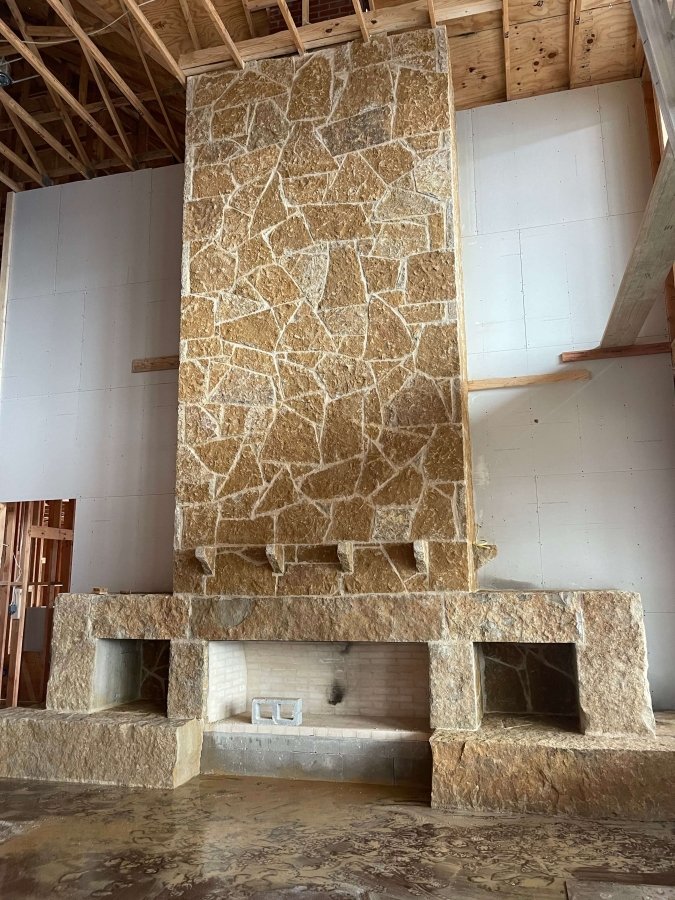
That musty, damp smell coming from your fireplace isn’t just unpleasant; it’s your home’s way of telling you something’s wrong. Maybe you’ve noticed it gets stronger on humid days, or it lingers even when you haven’t used the fireplace in months.
You’re not imagining things, and you’re definitely not alone. Mildew smells around fireplaces are more common than you’d think, especially here in North Texas where our weather swings from bone dry to soaking wet. Once you know what’s causing that smell, you can fix it before it turns into a bigger problem.
What Does Mildew Smell Actually Mean?
When you smell mildew around your fireplace, you’re dealing with moisture where it shouldn’t be. That earthy, musty odor is mold and mildew growing somewhere in your chimney system or the surrounding masonry.
Think of it like finding a wet spot on your ceiling; the stain isn’t the real problem, it’s just showing you where water is getting in. Same thing with that mildew smell.
Water’s Getting In Somewhere
The most common culprit is water sneaking into your chimney system. Your chimney crown might have cracks, or the flashing around your chimney could be loose or damaged. Even tiny gaps in the mortar joints can let water seep in during our Texas thunderstorms.
Once water gets inside, it sits in dark, enclosed spaces where air doesn’t move much. Perfect conditions for mold and mildew to set up shop.
Your Chimney Can’t Breathe
Poor ventilation makes moisture problems worse. If your damper stays closed all the time or your chimney cap is blocking airflow, humid air gets trapped inside. Without proper ventilation, that moisture just sits there and creates the perfect breeding ground for mold.
Mold loves to grow in places you can’t see. Inside your smoke chamber, behind the damper, or even in the walls around your fireplace. You might not see any visible mold, but you’ll definitely smell it.
Signs That Confirm You Have Moisture Issues
The mildew smell is usually just the beginning. Once you know what to look for, you’ll probably spot other warning signs you might have missed before.
What You Can See
Look for white, chalky deposits on your brick or stone; that’s called efflorescence, and it happens when water moves through masonry. You might also notice dark stains on the outside of your chimney or peeling paint on the walls near your fireplace.
If the mortar between your bricks feels soft or crumbly when you press on it, that’s another red flag.
How Your Fireplace Acts
Water damage affects how your fireplace works. You might have trouble getting fires started, or smoke might come into your room instead of going up the chimney. These problems often get worse during rainy weather.
Mold and mildew can trigger allergy-like symptoms, especially if you’re sensitive. Sneezing, coughing, or feeling stuffy when you’re near the fireplace could be your body reacting to mold spores in the air.

Other Fireplace Smells Worth Worrying About
Mildew isn’t the only smell that should get your attention. Different odors point to different problems, and knowing what they mean can save you from bigger headaches down the road.
Smoky Smells When There’s No Fire
If you smell smoke or burning when your fireplace isn’t in use, you probably have creosote buildup in your chimney. According to Jacob Andrews, President of Brick Experts in Dallas, “Creosote is basically tar that builds up from burning wood, and it’s extremely flammable; if it catches fire, you could have a serious chimney fire on your hands.”
This smell gets stronger in summer when heat makes the creosote more noticeable.
Rotten or Dead Animal Smells
Animals love to nest in chimneys, especially during winter. If you smell something that reminds you of roadkill, you might have a deceased bird, squirrel, or bat in your flue. Sometimes it’s just old nesting materials that got wet and started decomposing.
Sharp Chemical Odors
Artificial logs can give off chemical smells, especially if they’re old or stored in damp conditions. Gas leaks from nearby appliances can also create sharp, unnatural odors that seem to come from your fireplace area.
How to Fix Fireplace Odor Problems
The good news is most fireplace odor problems can be fixed once you know what’s causing them. Some fixes are simple DIY jobs, while others need professional help.
Start with a thorough chimney inspection. A qualified chimney professional can spot water damage, structural problems, and safety issues you might miss. They’ll check your chimney crown, flashing, mortar joints, and flue liner.
Annual inspections catch problems early, before they turn into expensive repairs.
Deal with Moisture and Mold
If water is getting in, you need to seal the leaks first. This might mean repairing your chimney crown, replacing damaged flashing, or repointing mortar joints. Once the water source is stopped, you can clean up any mold growth.
For serious mold problems, especially in hard-to-reach areas, professional remediation might be necessary.
Improve Airflow
Installing a quality chimney cap helps keep water out while allowing proper ventilation. Make sure your damper opens and closes properly, and consider upgrading to a top-sealing damper if yours is old or damaged.
Good airflow prevents moisture from building up and helps your fireplace work better.
Keep Your Fireplace Smelling Fresh
Prevention is always easier than fixing problems after they happen. A few simple habits can keep your fireplace odor-free and working safely.
Seasonal Maintenance Tasks
Before winter, have your chimney inspected and cleaned. Check for any new cracks or damage from summer storms. After winter, make sure everything dried out properly and look for any signs of water damage.
Keep your chimney cap and spark arrestor clean and in good repair.
Smart Burning Habits
Only burn dry, seasoned wood with less than 20% moisture content. Wet wood creates more smoke and contributes to creosote buildup. Keep your damper closed when the fireplace isn’t in use to prevent humid air from getting into your chimney.
Never burn trash, treated wood, or artificial materials that can create toxic fumes.
That mildew smell around your fireplace is your home’s early warning system telling you to pay attention before small problems become big ones. With regular maintenance and smart fireplace habits, you can enjoy cozy fires without worrying about mysterious odors or potential health hazards.