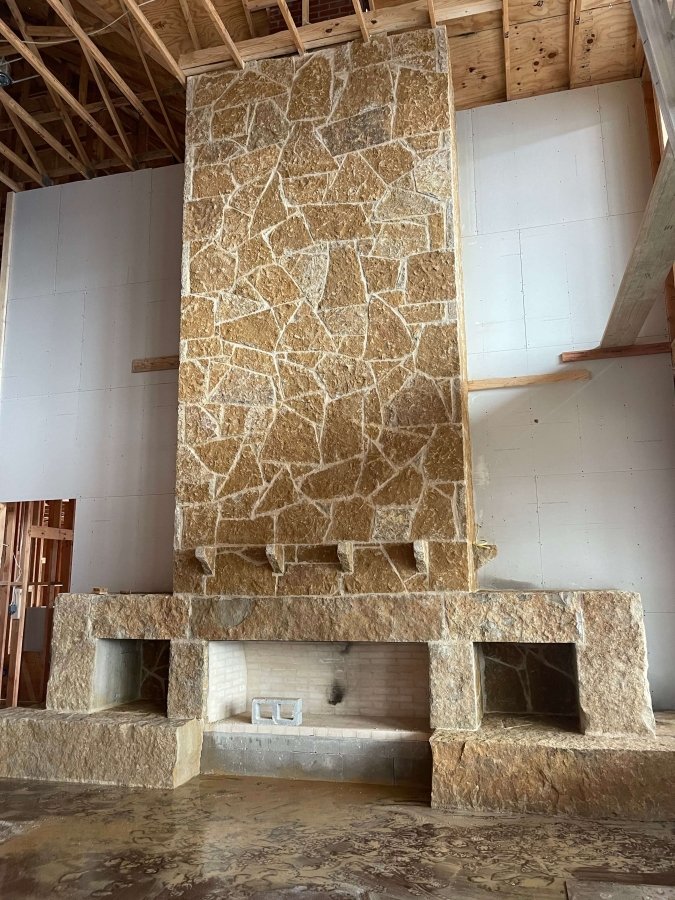
You’ve probably seen those gorgeous stone walls that look like they’ve been stacked by hand, creating this amazing texture that catches light and shadow perfectly. Stacked stone brings natural beauty indoors and out, but there’s more to it than just slapping stones on a wall.
We’ll walk through what stacked stone actually is, how it’s installed properly, and where it works best in your home. You’ll discover the difference between natural and manufactured options, learn about installation methods that prevent costly moisture problems.
Understanding Stacked Stone
Stacked stone creates that layered, textured look you see on high-end homes and cozy fireplaces. It’s basically thin pieces of natural stone arranged in horizontal rows to build up a surface that’s both beautiful and durable.
What Is Stacked Stone?
Stacked stone uses thin, rectangular pieces of natural stone like slate, quartzite, or limestone arranged in horizontal layers. These stones get cut into uniform thicknesses, usually between half an inch to two inches thick, making them easier to work with than full-thickness stone blocks.
You’ll find two main types: natural stone that’s quarried and cut to size, and manufactured stone veneer made from concrete and pigments. Natural stone gives you authentic color variations and textures, while manufactured options offer more consistent sizing and often cost less.
How Stacked Stone Is Made
Natural stacked stone starts at quarries where large stone blocks get cut into thin slabs using diamond wire saws or water jets. The stone faces can be left natural (called “split face”) or smoothed down for a more refined look.
Manufactured stacked stone gets molded from concrete mixed with iron oxides for coloring. The molds create realistic textures that mimic natural stone, and some manufacturers even use real stone dust in the mix for added authenticity.
Common Types of Stacked Stone
Fieldstone offers irregular shapes and earthy colors that work great for rustic designs. Limestone provides consistent gray and tan tones that complement modern architecture. Slate delivers rich blues, grays, and purples with a naturally smooth surface.
Quartzite brings durability and sparkle with its crystalline structure, perfect for high-traffic areas. Manufactured veneer panels come in dozens of color blends and can mimic any natural stone type at a fraction of the weight.
Construction and Installation Methods
Installing stacked stone properly prevents water damage and ensures your investment lasts decades. The method we use depends on whether you’re going for a rustic dry-stack look or a more polished mortared finish.
Installation Basics
Dry-stack installation fits stones together without visible mortar joints, relying on gravity and precise cutting for stability. This method works well for garden walls and landscape features where some movement is acceptable.
Mortared installation uses adhesive or mortar to secure stones to a prepared substrate. We start from the bottom and work up, pressing each stone into a full mortar bed and checking for level as you go.
Structural Considerations
Substrate needs proper preparation before any stone goes up. Exterior walls typically need cement board or metal lath over house wrap and sheathing. Interior applications might use cement board over drywall or direct application to masonry walls.
Weight matters more than you’d think. Natural stone can add 15-20 pounds per square foot, so your wall needs to handle the load. Manufactured stone weighs about half as much but still requires proper support.
Professional Tools and Techniques
Cutting stacked stone requires a wet saw with a diamond blade to prevent chipping and dust. We use pneumatic tools for faster installation and ensure consistent mortar joints.
Pattern layout prevents obvious seams and creates natural-looking randomness. We typically dry-fit several square feet at a time, adjusting stone placement before applying mortar for the best visual flow.

Most Popular Uses for Stacked Stone
Stacked stone works in more places than you might expect, from dramatic interior focal points to sturdy outdoor structures that handle weather year-round.
Home Facades and Entryways
Stacked stone transforms plain exterior walls into eye-catching features that boost curb appeal instantly. You can cover entire walls or create accent panels around entryways, garage doors, or architectural details.
The key is choosing stone colors that complement your existing materials. Warm limestone pairs beautifully with brick, while cool gray quartzite works with modern siding and metal accents.
Retaining Walls and Garden Beds
Garden walls built with stacked stone blend naturally into landscaping while providing necessary soil retention. Dry-stack construction allows for drainage and slight movement as soil settles.
These walls work especially well when you match the stone to your region’s natural geology. Texas limestone looks right at home in DFW landscapes, while imported stone can look out of place.
Outdoor Fireplaces and Fire Pits
Stacked stone handles heat beautifully and creates that cozy gathering spot everyone wants in their backyard. The natural texture looks great with flickering firelight and develops character as it weathers.
Fire-rated mortar becomes essential for areas exposed to direct flame. We also install proper flashing and drainage to prevent water from getting behind the stone and causing freeze damage.
Columns and Pillars
Wrapping porch columns or fence posts with stacked stone adds substantial visual weight and natural beauty. The installation requires careful planning to ensure the stone doesn’t interfere with structural elements.
Column wraps need adequate footings to support the added weight, and we typically install a moisture barrier between the structural post and stone veneer.
Pros and Cons of Using Stacked Stone
Like any building material, stacked stone has advantages and challenges you should understand before committing to a project.
Advantages
Durability tops the list of stacked stone benefits. Properly installed natural stone can last centuries with minimal maintenance, making it a true long-term investment in your property.
The natural beauty never goes out of style, and stone actually improves with age as it develops patina and character. You won’t need to repaint or refinish like you would with wood or metal.
Challenges
Weight requires structural considerations that add cost and complexity to installations. Your foundation and framing need to handle the additional load safely.
Moisture infiltration can cause serious problems if installation isn’t done correctly. Water getting behind stone veneer can damage your home’s structure and create expensive repairs.
Ready to Transform Your Space?
Stacked stone offers that perfect blend of natural beauty and lasting durability that makes any space feel more substantial and inviting. Whether you’re picturing a cozy fireplace surround that becomes your family’s gathering spot or an exterior accent wall that makes neighbors stop and stare, the right stone installation can transform your vision into reality.
The key is understanding your options and choosing installation methods that protect your investment for decades to come. With proper planning and professional installation, you’ll have a stunning feature that adds value to your home while requiring virtually no maintenance.