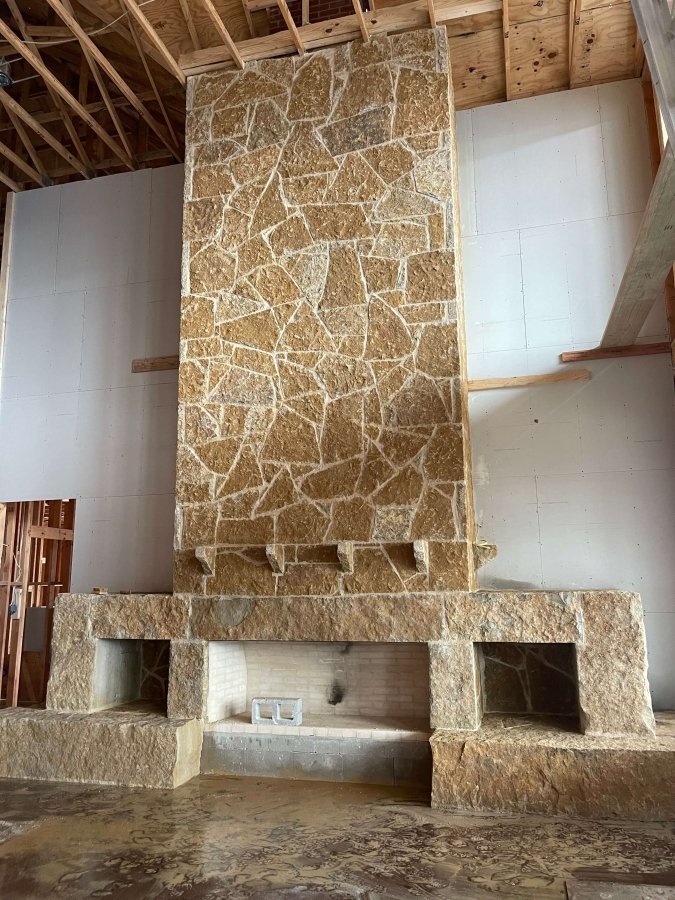
Frisco’s beautiful neighborhoods showcase stunning brick homes and commercial buildings that define the city’s character.
From traditional red brick facades to modern architectural designs, brick construction remains a cornerstone of local building practices.
But even the most well-built brick structures need maintenance and repairs over time.
Why Brick Repairs Are Common in Frisco
Frisco’s unique environment creates specific challenges for brick structures. The combination of soil conditions and weather patterns puts constant stress on masonry work, making regular maintenance essential for homeowners.
Understanding why these repairs happen helps you spot problems early and take action before they become expensive headaches.
Climate and Soil Movement
Frisco sits on expansive clay soil that swells when wet and shrinks when dry. This constant movement puts tremendous pressure on your home’s foundation and brick walls. You’ll notice this especially during our hot summers and wet springs.
Seasonal freeze-thaw cycles make things worse. Water gets into tiny cracks, freezes, and expands. This process slowly breaks apart mortar joints and can crack bricks themselves.
Age and Construction Practices
Many Frisco homes were built during rapid growth periods when some contractors cut corners. Older mortar formulations weren’t as durable as modern materials. Over time, this inferior mortar crumbles and fails.
Even well-built homes show wear after 15-20 years. Weather, settling, and normal aging take their toll on brick and mortar joints.

Most Common Brick Repairs in Frisco
These five repair types make up most of the masonry work we see do in Frisco homes. Each has specific causes and requires different repair approaches to fix properly.
Cracked or Spalling Bricks
Spalling happens when brick faces chip, flake, or break away. You’ll see this most often on north-facing walls or areas that stay wet longer.
Causes
Moisture infiltration is the biggest culprit. Water gets behind the brick face and freezes, popping off chunks. Foundation movement can also stress bricks until they crack.
Repair Methods
We remove damaged bricks and replace them with matching materials. Proper moisture barriers prevent future problems. Sealing exposed areas keeps water out.
Mortar Joint Deterioration (Tuckpointing)
Tuckpointing means removing old, crumbling mortar and replacing it with fresh material. This repair maintains your wall’s structural integrity and weather resistance.
Signs of Deterioration
Look for gaps between bricks, crumbling mortar that falls out easily, or bricks that wiggle when pushed. White staining on brick faces often signals mortar problems.
Tuckpointing Process
When tuckpointing, we rake out old mortar to proper depth, then apply new mortar that matches your original color and strength. Proper curing time ensures lasting repairs.
Bulging or Bowing Brick Walls
Walls that bow outward signal serious structural problems. This usually means water damage or foundation movement has compromised the wall’s stability.
Poor drainage lets water collect behind walls, weakening the structure. Foundation settlement can also push walls out of alignment over time.
Wall anchoring systems can stabilize bowing walls. Severe cases need partial rebuilding with proper drainage and reinforcement. We strengthen adjacent areas to prevent future problems.
Chimney Brick Repairs
Chimneys face extreme temperature changes and weather exposure. The constant heating and cooling cycles stress mortar joints and can crack bricks.
Then cracked chimney crowns let water in. Missing mortar joints allow moisture penetration. Leaning stacks create safety hazards and structural problems. The problems “rain down” at this point…
To fix the damage, we repoint loose joints and rebuild damaged sections. Proper flashing and crown repairs prevent water infiltration. Regular inspections catch problems early.
Brick Mailbox Damage
Custom brick mailboxes are common features in DFW neighborhoods but face common challenges. Vehicle strikes and weather exposure cause most of the damage we see.
Car impacts knock mailboxes off their foundations (by design, actually -this is for safety). Freeze-thaw cycles crack mortar joints. Poor drainage can even undermine the concrete footings over a long enough time.
When repairing brick mailboxes we do what we can to salvage original bricks, to maintain appearance. But if the damage is significant, it often makes more sense just to start over, since sourcing rare bricks has costs of its own.
Generally speaking though, we reuse what’s left of your old mailbox, match the bricks, and replace the broken facade after rebuilding the core.
Preventative Measures and Maintenance
Regular maintenance prevents small problems from becoming major repairs. Simple inspections and basic upkeep save thousands in repair costs over time.
Here’s what you need to do to protect your masonry, year after year:
Walk around your home each spring and fall. Look for cracks, loose bricks, or crumbling mortar. Check for moss growth or white staining on brick faces. Take photos to track changes over time.
Keep water away from brick walls and foundations. Clean gutters regularly and extend downspouts away from your home. Grade soil so water flows away from walls, not toward them.
Brick sealers can help in some situations but aren’t always recommended. Improper sealing traps moisture inside walls, causing more damage.
We’ll give you a maintenance plan after installing or repairing your brick, so you know exactly what to do.
Fix Brick Damage Quickly With Professional Help
Frisco’s brick homes and buildings need regular attention to stay beautiful and structurally sound. Address brick damage early to protect your masonry and ensure your home is ready for anything.
Don’t allow small cracks to become major problems. Have regular inspections after 15 years, and timely repairs when you see a po keep your brick structures looking great and functioning properly for decades.
Need help with brick repair or construction? Contact the Brick Experts team for an in-person assessment and free quote today.